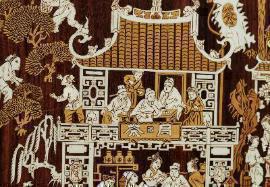

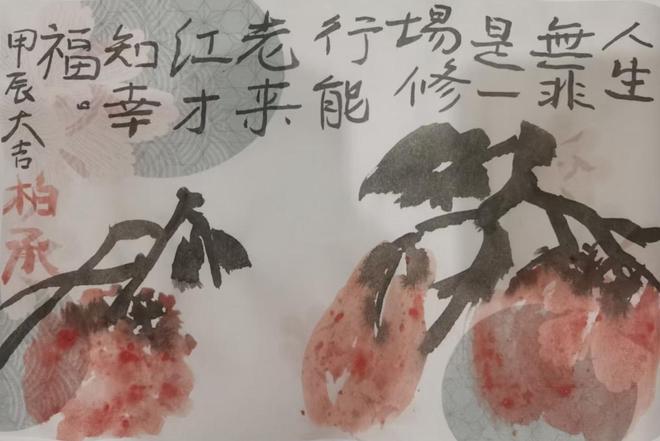
In terms of inheriting the traditions of brush and ink, these works are deeply grounded in the fundamental genes of literati painting. The core principle of xie (expressive writing) is faithfully preserved—whether it be the trees rendered with dry brush strokes and texturing, the flowers depicted in bold splashes of ink, or the free-spirited calligraphic inscriptions, all are founded on the gufa yongbi (classical methods of brush application). The variations in line thickness, speed, and ink density embody the cultural lineage of literati painting where "calligraphy informs painting". For instance, the brushwork used for tree branches combines the simplicity and ruggedness of seal and clerical scripts with the fluidity and vitality of running and cursive scripts, retaining the traditional "expressiveness of writing" in brushwork while exuding the charm of freehand brushwork.
主管:中国通俗文艺研究会
主编信箱:peopleart@126.com | 联系电话:010-85823993 | 学术主持:李德哲
Copyright © 2008 - 2026 Peopleart. All Rights Reserved 京ICP备16048619号-1